
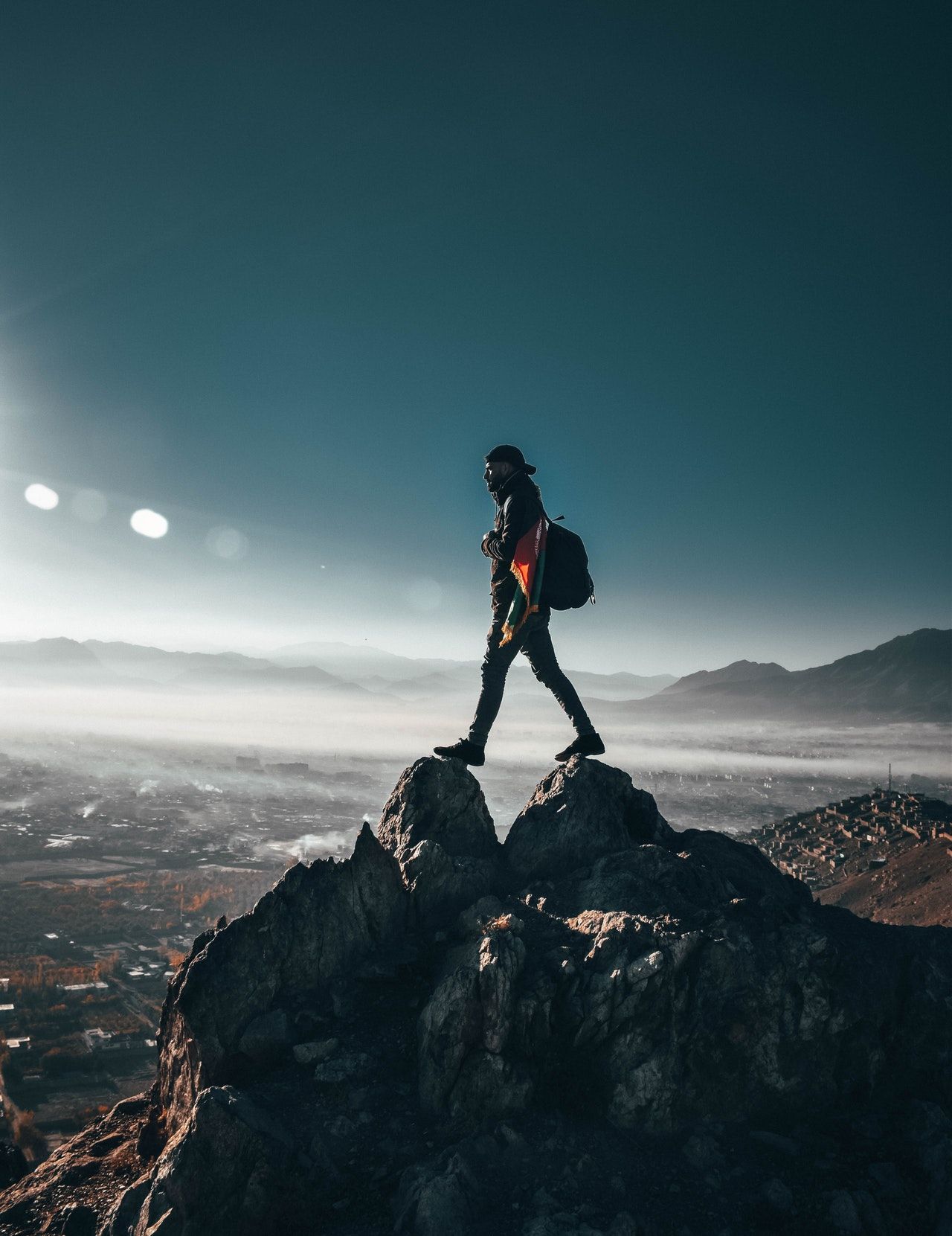
Hikers are increasingly combining cannabis with time on the trail, hoping to deepen relaxation, ease pain, or boost appreciation of nature. Done carelessly, though, cannabis can increase the risk of injury, dehydration, or getting lost. Safe hiking while consuming cannabis starts with understanding how it affects the body and following well-established outdoor safety practices.
Public health agencies note that cannabis directly affects brain areas responsible for attention, decision-making, coordination, and reaction time. Those are exactly the skills needed for footing on loose rock, judging stream crossings, or navigating changing weather. For that reason, hikers are safest when they treat cannabis like any other intoxicant: optional, carefully timed, and never a substitute for good preparation.
Planning is the first line of defense. Outdoor safety organizations emphasize knowing the route, checking conditions, carrying the “10 essentials,” and honestly assessing physical limits before setting out. Anyone considering cannabis use on a hike should assume their performance will be somewhat reduced and choose terrain, distance, and elevation gain that allow extra margin for error. Shorter loops, well-marked trails, and familiar areas are safer than exposed ridgelines or off-trail navigation.
Dose and timing matter. Research on high-potency cannabis suggests stronger products are more likely to impair motor control and cognition. For safety, hikers are better off using lower-THC products, avoiding high-potency concentrates, and waiting to consume until the most technical or strenuous parts of the hike are complete—such as at a stable rest stop or camp. Those who are new to cannabis, or to a specific product, are generally safest saving it for after the hike, when tripping, vertigo, or anxiety won’t jeopardize the group.
A “designated clear-headed leader” can significantly improve safety. Similar to driving, where cannabis impairment is linked to slower reaction time and reduced awareness, hiking under the influence can make it harder to react to falling rocks, changing weather, or a partner’s injury. Agreeing that at least one group member will stay fully sober—responsible for navigation, decision-making, and emergency response—adds an important layer of protection.
Hydration, nutrition, and pacing are also critical. Outdoor agencies highlight carrying and drinking adequate water, protecting against heat and sun, and taking regular breaks. Because cannabis can sometimes mask thirst or discomfort, hikers who consume should schedule water breaks on a timer and eat periodically rather than relying on hunger cues. If dizziness, rapid heart rate, confusion, or severe anxiety occur, the safest choice is to stop, rest in shade, hydrate, and turn back if symptoms persist.
Finally, safe cannabis hiking includes respect for the land and other visitors. Leave No Trace ethics encourage planning ahead, disposing of waste properly, and being considerate of others. That means packing out all cannabis packaging, roaches, and ash; avoiding open flames or risky smoking during high fire danger; and keeping odor and behavior low-key near families or wildlife. In many regions, federal lands and some state or local jurisdictions still prohibit cannabis altogether, so hikers should always review current regulations before consuming.
When hikers understand how cannabis affects their judgment and coordination, choose conservative routes, keep at least one person sober, and follow Leave No Trace and standard safety guidance, they can better balance enjoyment with responsibility on the trail.