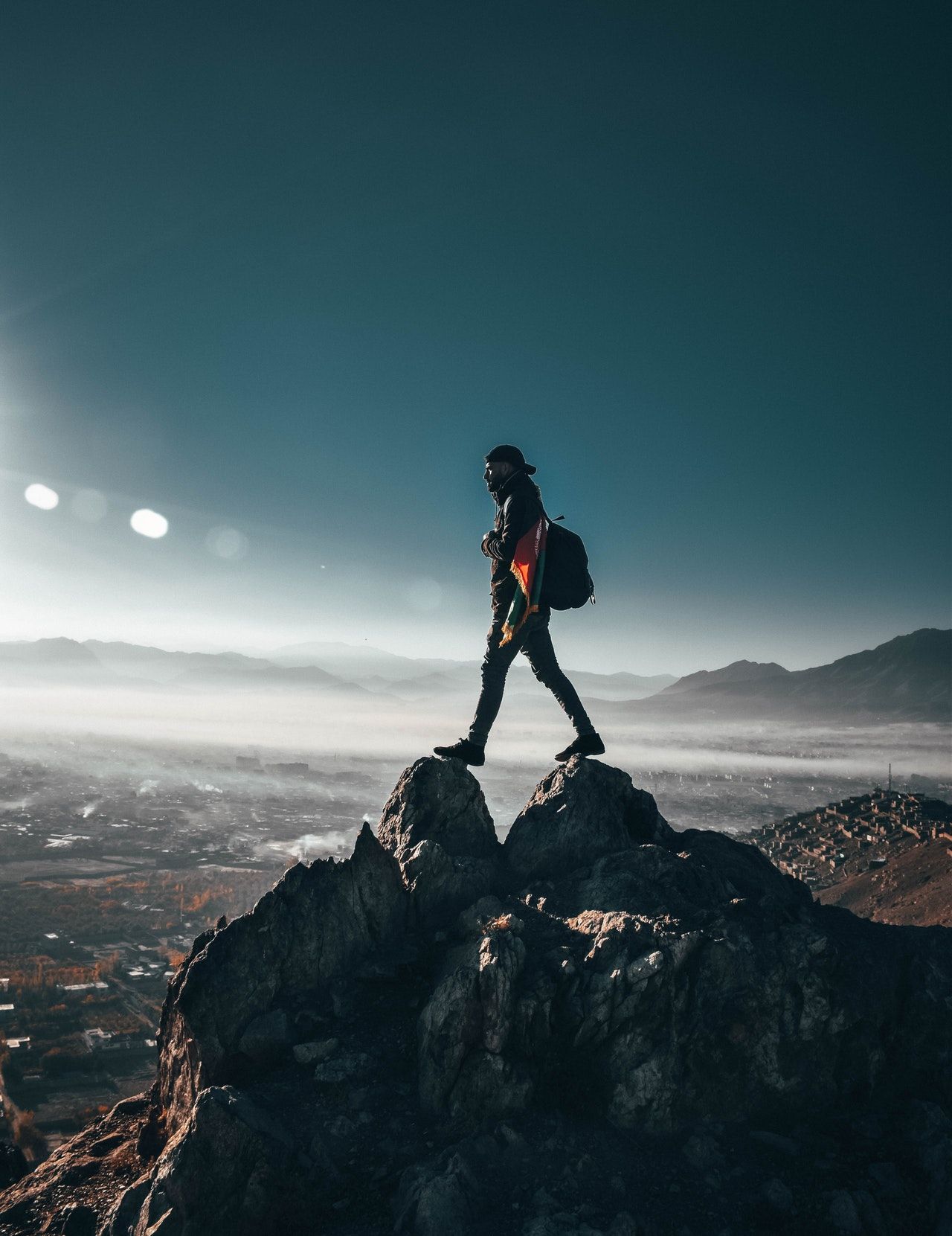
Hikers who enjoy pairing the trail with cannabis often notice something interesting the higher they climb: the same amount of THC can feel slightly stronger at elevation. While the plant’s chemistry doesn’t change, the environment does—making altitude a key factor in how the body responds. For anyone planning a mountain hike with cannabis, understanding these changes is essential for safety, comfort, and an enjoyable adventure.
At its core, elevation affects the body because oxygen levels decrease as altitude increases. According to established research in high-altitude physiology, reduced oxygen saturation can temporarily slow cognitive processing, cause mild light-headedness, and increase heart rate. When cannabis enters the mix—already known to influence perception, coordination, and cardiovascular function—the combined effects can feel amplified, even if THC dosage remains the same.
Another factor is dehydration. High elevations naturally accelerate fluid loss due to drier air and increased breathing rate. Studies from outdoor medicine organizations consistently show that hikers at altitude become dehydrated faster than at sea level. Because cannabis can also contribute to dry mouth and mild dehydration, the combination may intensify sensations like dizziness or fatigue. For this reason, hydration is critical for anyone consuming cannabis during or before a high-altitude hike.
It’s also important to recognize altitude sickness symptoms. While cannabis does not directly cause altitude sickness, its effects may make symptoms more noticeable. Headaches, nausea, difficulty concentrating, and increased heart rate are all common signs of altitude-related stress. If a hiker consumes cannabis without being acclimated, these sensations may overlap with THC’s natural effects, making it harder to distinguish the source of discomfort. Responsible consumption—paired with gradual acclimation—helps reduce this risk.
Additionally, some hikers report feeling the effects of edibles or inhaled cannabis more quickly at high altitude. While scientific evidence does not show that THC potency changes with elevation, the perception of intensity can be linked to the body working harder with less oxygen. The result is a “heightened high” that may surprise consumers who are used to their usual dosage at lower elevations.
For hikers who want to enjoy cannabis safely in the mountains, moderation remains key. Choosing low-THC or balanced THC–CBD products allows for a lighter, more controlled experience. Spacing out consumption, taking breaks, and checking in with both body and breath can help prevent overconsumption. Hydration, nutrition, and acclimation—standard best practices for high-altitude hiking—become even more important when cannabis is involved.
Finally, hikers should always follow local regulations. Some states allow cannabis use outdoors; others strictly prohibit it on trails, parks, or federal land. Checking local laws before starting the ascent ensures a safe and compliant adventure.
For outdoor enthusiasts, cannabis can be an enjoyable complement to time spent on the trail. Understanding how elevation influences the experience helps consumers make informed decisions, stay safe, and fully appreciate the terrain—one careful step at a time.